
What Should Banks and Credit Unions Do With Legacy Data in a Core Conversion?
Legacy data in a core conversion is a decision that belongs in the project plan, not a loose end to tidy up after cutover. Banks

Legacy data in a core conversion is a decision that belongs in the project plan, not a loose end to tidy up after cutover. Banks

The Regulation E violations examiners cite most often at banks and credit unions aren’t obscure. They’re missed deadlines, thin documentation and investigations that don’t hold

Under Regulation E, a bank or credit union has 10 business days from receiving the notice of error to investigate and decide. It can take up to 45 days if it provisionally credits the account within those 10 business days, and up to 90 days for point-of-sale debit card transactions, foreign-initiated transfers, and transfers made within 30 days of an account’s first deposit.

Credit union collections and recovery software is a system that manages the full delinquency lifecycle, from early-stage reminders through charge-off recovery, while automating outreach, enforcing compliance rules, and integrating with the credit union’s core.
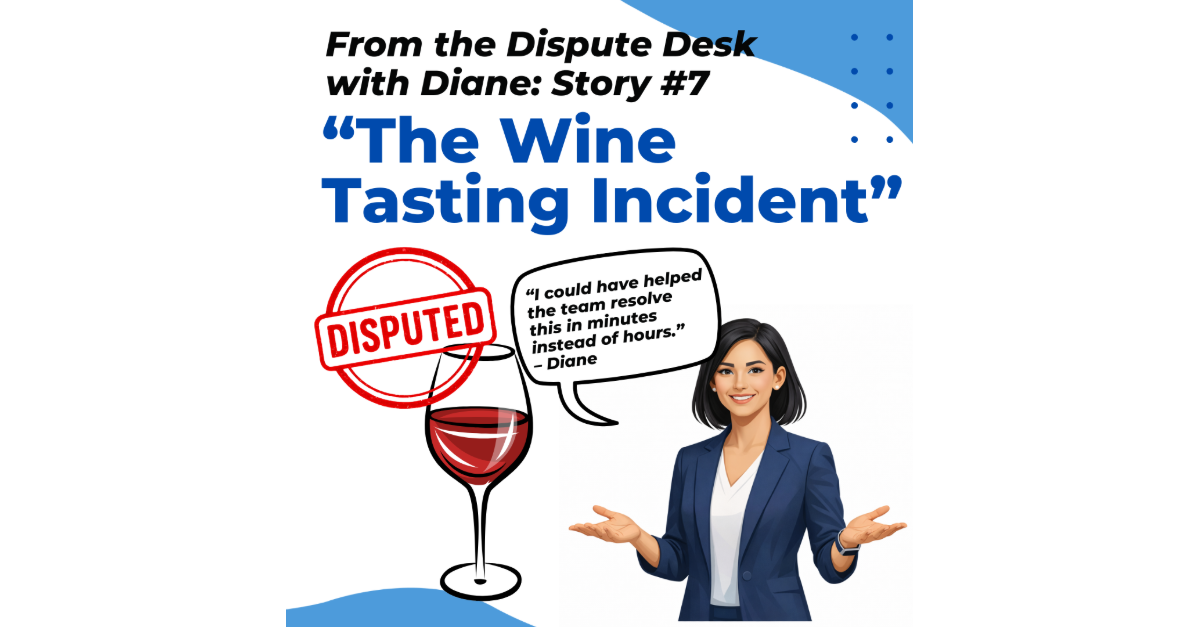
He said that he never went to the wine tasting. The merchant had a photo of him holding a glass. That’s a real dispute,

Holiday disputes don’t peak in December. They peak in January and February, when customers and members open their statements and find charges they don’t recognize, orders that never arrived, and returns the merchant never credited. Banks and credit unions that want to handle the holiday dispute surge without overtime or missed Reg E deadlines should put two things in place before the new year…

FusionDMS helps credit unions and community banks automate dispute workflows, meet Reg E and NACHA deadlines, and produce audit-ready compliance reports without adding headcount.

When evaluating dispute management technology, one of the biggest decisions isn’t just which platform to choose, it’s how you want to deploy it. Should your institution host the solution internally, or should your technology provider manage the infrastructure for you?
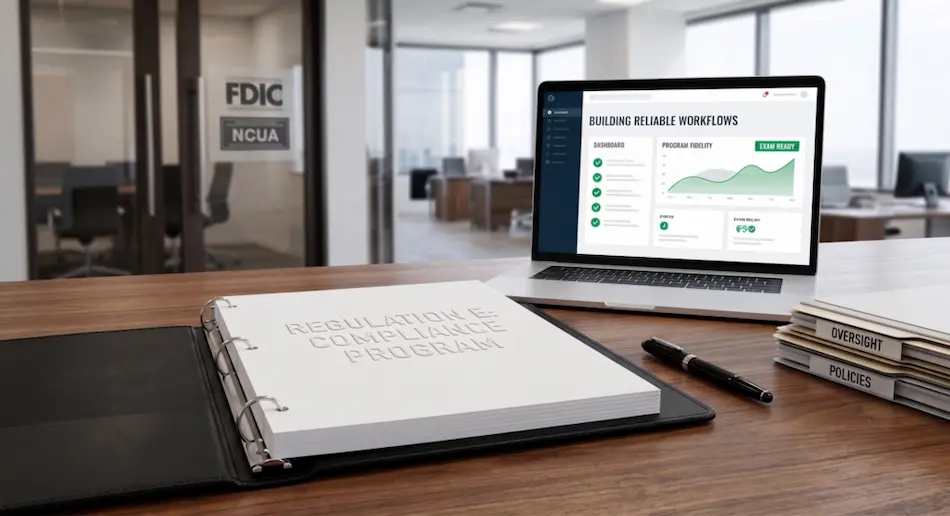
Regulation E exam findings are not declining. Federal Reserve, FDIC, and NCUA examiners identified electronic fund transfer violations among the most frequently cited consumer compliance failures in 2024 — and the pattern is consistent across institutions of all sizes.

A community bank we’ve worked with for years recently went through a core conversion. They needed the answer to this question, “What are we going to do with the old checks, statements & reports?”

Financial institutions need to take proactive means to monitor portfolios. Our alternative data, predictive analytics & text-based communications can help!
Legacy data conversion is not a simple file transfer. Your historical archives — check images, loan documents, signature cards, statements, corporate resolutions, and all the required indexes, mapping and meta data — are locked inside systems with proprietary formats, inconsistent metadata, and undocumented quirks.
For years, community banks and credit unions could treat Regulation E error resolution as one more item on a long compliance checklist. That’s no longer a defensible position.
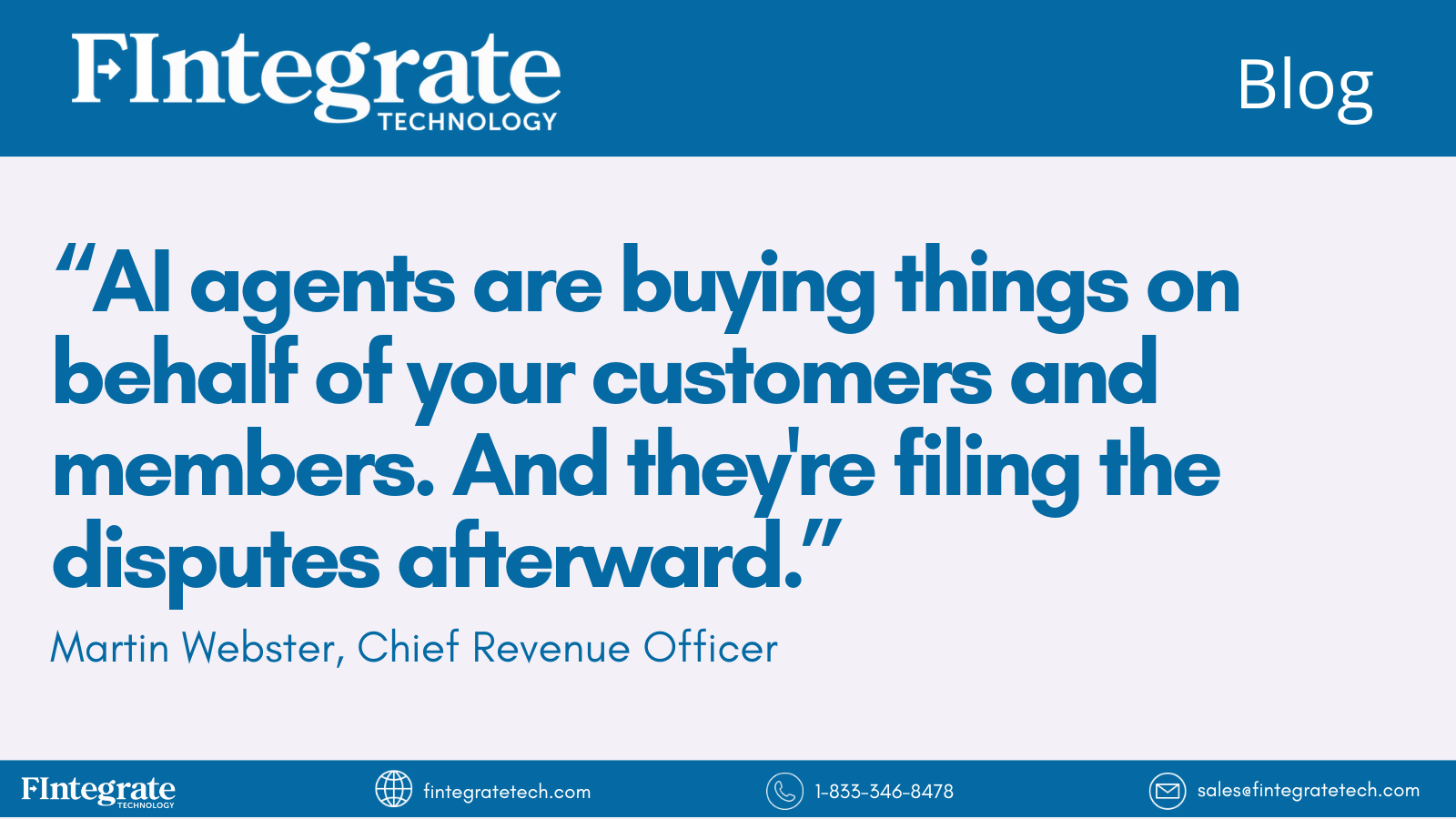
AI agents are starting to do two things your dispute team has never had to think about. They’re buying things on behalf of your customers and members. And they’re filing the disputes afterward.
Why Stabilizing Delinquencies Are a Dangerous Illusion: Consumer delinquencies in credit cards & auto loans are “stabilizing” at higher-than-previous levels.
The 5 Metrics & Workflows Community Financial Institutions Must Automate in 2026. Learn more about why automating collections matters now.

Overall rates look flat, but serious delinquency flow just hit 3.03%. Get the hidden data in this blog from FIntegrate Tech!

Elevate your financial institution’s customer experience, reduce chargebacks, and save time! Learn how FusionDMS can simplify dispute management!

Every dispute can cost your financial institution a lot of money. Here are three ways that you can improve your dispute management process.

Dispute management can be time-consuming for financial institutions. Learn about the solution that helps revolutionize dispute management: FusionDMS.
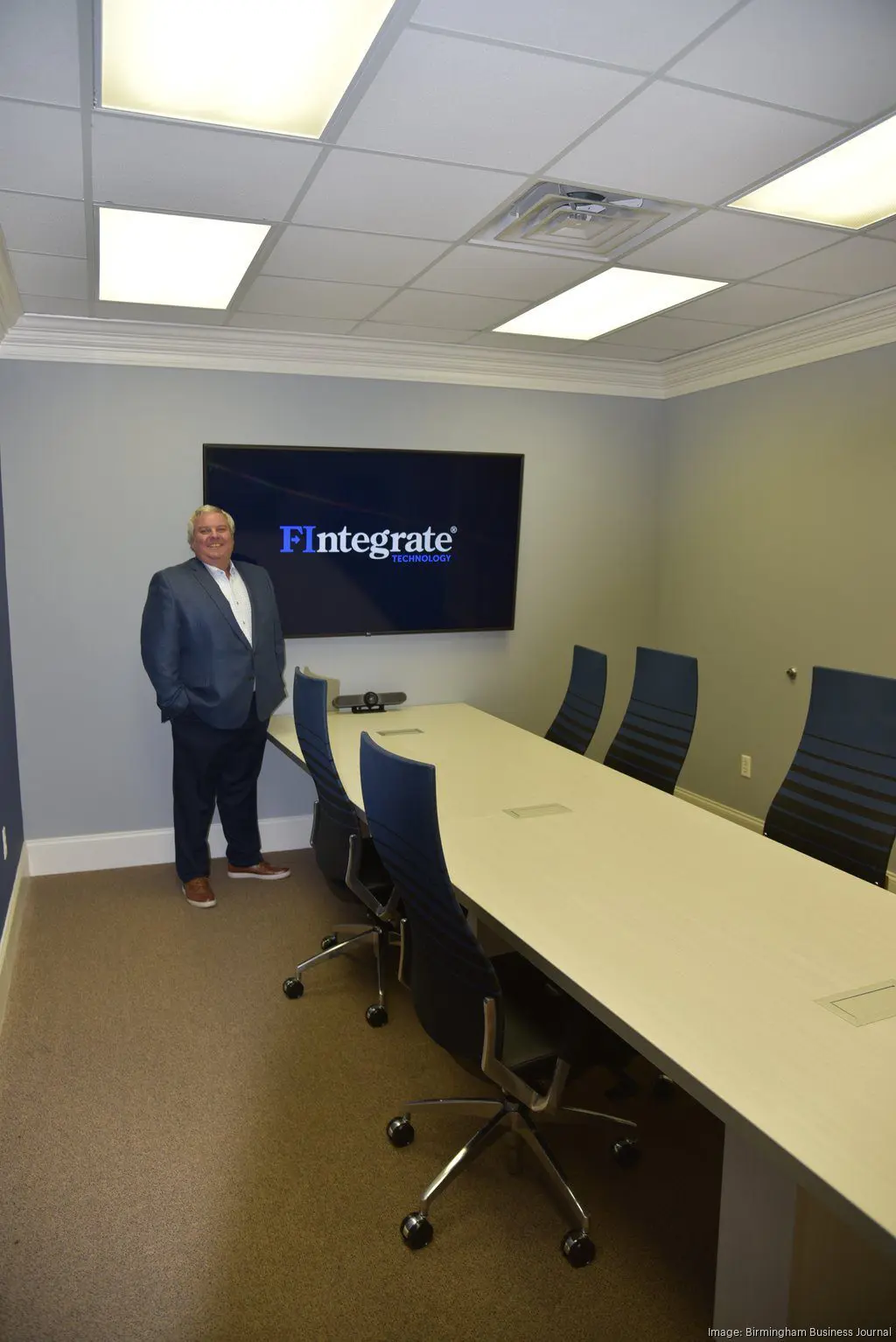
Kris Bishop, CEO of FIntegrate, recently sat down with A.J. O’Leary of the Birmingham Business Journal! Read on to dive into the latest insights.

Learn how to navigate Regulation E dispute claims with this comprehensive guide, where FIntegrate walks you through the ins and outs. Be empowered!

Recently, many FIs were hit with challenges resulting from outdated, inefficient technology, and have been forced to expedite their digital banking offerings.